Interactive Language Learning Online Explained with Online Interactive Language Tools
Learning a new language is an exciting journey that opens doors to new cultures, friendships, and opportunities. Today, technology has transformed how we approach language learning, making it more accessible and engaging than ever before. I want to share with you how online interactive language tools can make this process enjoyable and effective. Whether you are starting from scratch or brushing up on your skills, these tools offer a dynamic way to immerse yourself in a language right from your home.
Why Choose Online Interactive Language Tools?
When I first started learning a new language, I quickly realized that traditional methods like textbooks and passive listening were not enough. I needed something more engaging and practical. That’s where online interactive language tools come in. These tools combine technology with language education to create a hands-on learning experience.
Here are some reasons why I believe these tools are so valuable:
Engagement: Interactive exercises keep you actively involved, which helps with retention.
Flexibility: You can learn anytime, anywhere, fitting lessons into your schedule.
Personalization: Many platforms adapt to your skill level and learning pace.
Cultural Exposure: Tools often include cultural notes, videos, and real-life conversations.
Instant Feedback: Immediate corrections help you improve quickly.
For example, some platforms use gamification to make learning fun, turning vocabulary drills into games or quizzes. Others offer live conversation practice with native speakers, which is invaluable for building confidence and fluency.
Exploring Popular Online Interactive Language Tools
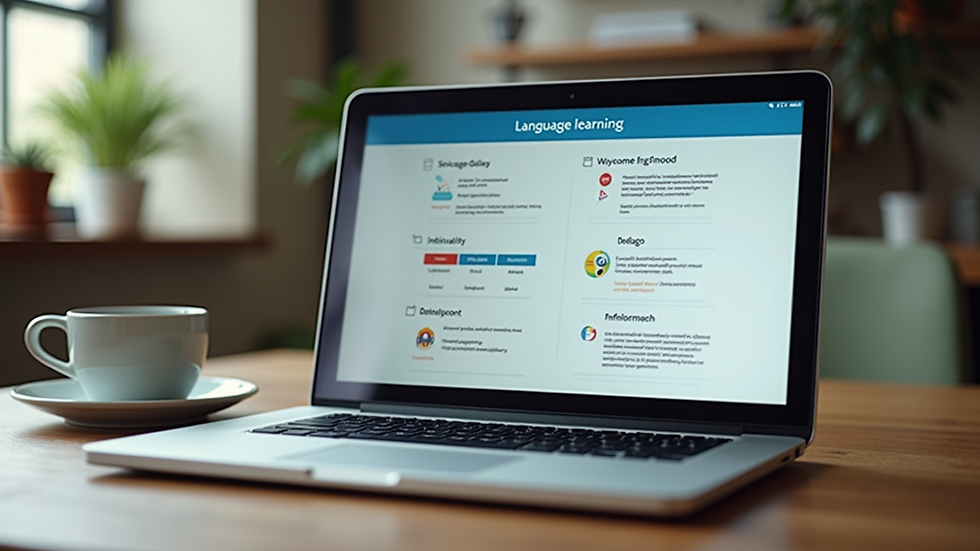
There is a wide variety of online interactive language tools available, each with unique features designed to support different learning styles. Here are some popular types and how they can help you:
1. Language Learning Apps
Apps like Duolingo, Babbel, and Memrise are great for beginners and intermediate learners. They offer bite-sized lessons, vocabulary practice, and pronunciation exercises. The interactive nature of these apps makes it easy to stay motivated.
2. Virtual Classrooms and Tutors
Platforms such as italki and Preply connect you with professional tutors for one-on-one lessons. These sessions are interactive and tailored to your goals, whether it’s conversational fluency or grammar mastery.
3. Immersive Language Platforms
Some tools, like FluentU, use real-world videos, news clips, and music to immerse you in the language. This approach helps you understand context and cultural nuances.
4. Language Exchange Communities
Websites like Tandem and HelloTalk allow you to practice with native speakers who want to learn your language. This mutual exchange is a fantastic way to improve speaking skills and make friends worldwide.
5. Interactive Grammar and Writing Tools
For those who want to focus on writing and grammar, tools like Grammarly and Lang-8 provide interactive corrections and suggestions, helping you write more accurately.
By combining these tools, you can create a well-rounded learning experience that suits your preferences and goals.
How to Maximize Your Learning with Online Interactive Language Tools
Using these tools effectively requires a bit of strategy. Here are some tips I’ve found helpful to get the most out of your language learning journey:
Set Clear Goals: Define what fluency means to you. Is it conversational ability, reading comprehension, or professional proficiency? This clarity will guide your tool selection.
Create a Routine: Consistency is key. Even 15-20 minutes daily can lead to significant progress.
Mix and Match Tools: Use apps for vocabulary, tutors for speaking, and videos for cultural immersion. Variety keeps learning fresh.
Practice Speaking Regularly: Don’t shy away from speaking. Use language exchange platforms or tutors to build confidence.
Keep a Language Journal: Write down new words, phrases, and reflections. This reinforces learning and tracks progress.
Engage with the Culture: Watch movies, listen to music, or cook recipes from the language’s culture. This makes learning meaningful and fun.
Remember, patience and persistence are your best friends. Language learning is a marathon, not a sprint.
The Role of Technology in Language Fluency and Cultural Immersion
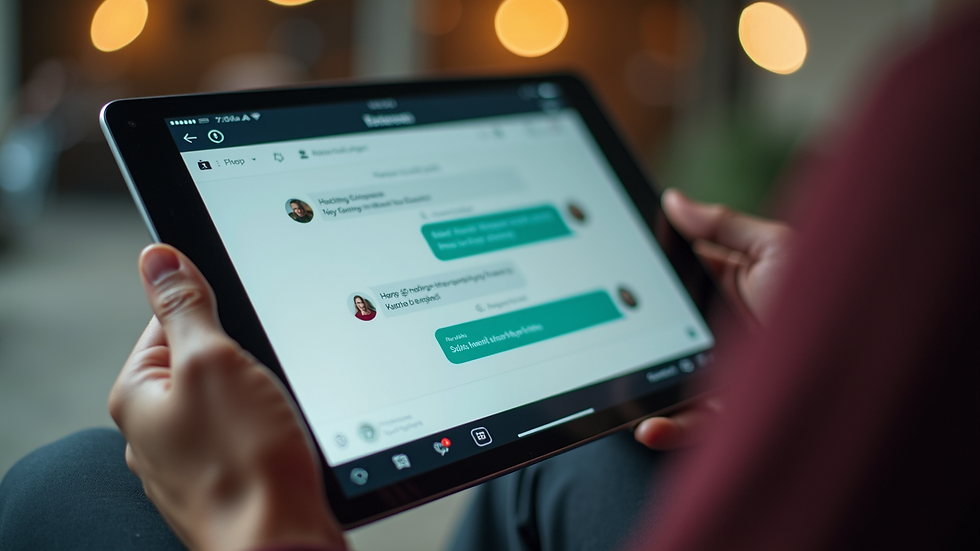
Technology has revolutionized how we connect with languages and cultures. With online interactive language tools, you are not just memorizing words; you are stepping into a new world. These tools provide:
Real-time Interaction: Chatbots and live tutors simulate real conversations.
Multimedia Content: Videos, audio clips, and images enrich your understanding.
Community Support: Forums and social groups offer encouragement and advice.
Adaptive Learning: AI-driven platforms adjust lessons based on your progress.
For example, I once used a platform that recommended cultural articles and videos based on my interests. This personalized approach made learning feel less like a chore and more like an adventure.
By embracing these technologies, you can accelerate your path to fluency and gain a deeper appreciation for the culture behind the language.
Getting Started with Interactive Language Learning Online
If you’re ready to dive into language learning, I encourage you to explore interactive language learning online options. Here’s a simple plan to get started:
Choose Your Language: Pick a language that excites you or aligns with your goals.
Select a Primary Tool: Start with one app or platform that fits your learning style.
Set a Schedule: Dedicate specific times each day or week for practice.
Join a Community: Find language exchange partners or online groups.
Track Your Progress: Use journals, apps, or quizzes to monitor improvement.
Celebrate Milestones: Reward yourself for achievements, big or small.
Starting small and building momentum will keep you motivated and make the process enjoyable.
I hope this guide has inspired you to explore the world of online interactive language tools. Remember, every step you take brings you closer to fluency and a richer cultural experience. Happy learning!


Comments